After years of homelessness, health challenges, and uncertainty, a PHC participant shares how housing, healthcare, and consistent support created stability for the first time in his life.
By: John Luna, a client of PHC
For most of my life, stability was something I didn’t believe was meant for me.
I grew up in the South Bay, and at 13 years old, I entered foster care by choice. My dad had a heart attack, and my mom had a history of not being able to care for us. As the oldest of five, I understood what that meant for my siblings and me. When the judge asked if I wanted to return home, I made the difficult decision to enter the foster care system. It wasn’t an easy choice, and it came with lasting consequences. My siblings and I grew apart, and today they choose not to have contact with me. I’ve come to accept that.
When I turned 18, I aged out of the system with no safety net. No adult to guide me. No plan. No support. I went from high school straight into figuring everything out on my own, and for a long time, that meant living in cycles: working, losing housing, pulling myself together again, and falling back out.
I worked hard. That part was never the problem. I worked retail, fast food, and tech support. I was good at my jobs and often the best in the room. I became a top salesperson, a skilled systems administrator, a hands-on troubleshooter who could solve problems others couldn’t. I even built a strong career in technology before the dot-com crash wiped out opportunities overnight. Jobs were offered and then rescinded. Savings ran out. Homelessness crept back in.
What people didn’t see was the constant fear underneath it all. I never felt secure. I expected everything to fall apart, because it always eventually did.
By 2018, I was living in my van. I was sick, exhausted, and indifferent to what happened next. When I developed a serious infection, I ended up in the hospital. That moment, becoming that ill, was a turning point. It’s when PHC’s New Directions staff entered my life.
They literally put me in their car and took me.
They helped me get through the crisis when I couldn’t advocate for myself. They made sure paperwork got done when I didn’t care enough to do it. They got me off the streets, kept me housed, and stabilized my life during a period when I had resigned myself to living and dying while in survival mode. Sometimes the most important help comes when you don’t yet believe you deserve it.
At first, I was indifferent. I wasn’t resisting, I just didn’t believe in the future. But case managers like Liz and Kazuko did the heavy lifting anyway. They pushed me forward when I couldn’t push myself. They helped build the foundation when I wasn’t even invested in my own case.
Once I was housed, I still didn’t feel safe. It took a full year before I stopped waiting to be kicked out. In the second year, something changed. I started nesting. I arranged my apartment. I installed shelves. I made it feel like home, something I had never allowed myself to do before, because I always assumed I’d lose it.
That sense of safety made everything else seem possible.
With continued support from New Directions and the clinic, I was finally diagnosed and treated for a longstanding chemical imbalance that had affected me my entire adult life, something I didn’t learn until my 50s. With medication, I gained emotional control I had never experienced before. For the first time, I could stay grounded instead of imploding or walking away when things got hard.
Another huge turning point was when PHC helped me secure Supplemental Security Income (SSI) on the very first attempt. Anyone who knows the system understands how rare that is. That approval stabilized my income and gave me room to breathe for the first time in decades.
That stability led to something even more impactful.
A few months ago, I received a letter informing me that my federal student loans had been fully discharged through the Total and Permanent Disability process. When I realized the monitoring period was complete and the debt was truly gone, I had to stop and reflect. That moment represented years of work by New Directions, PHC, Stanford Legal partners, Hope Clinic physicians, and advocates who believed in me long before I believed in myself.
With the immediate pressure lifted, I could finally focus forward instead of just surviving.
I went back to school. I’m now studying cybersecurity at Mission College. For the first time in my life, I am in school without panicking about needing to take the first job offer just to survive. It feels like the cycle is broken. My hope is that I’ll move on to a good job, and that someone else will be able to benefit from this opportunity, perhaps even inheriting a home that’s been well cared for.
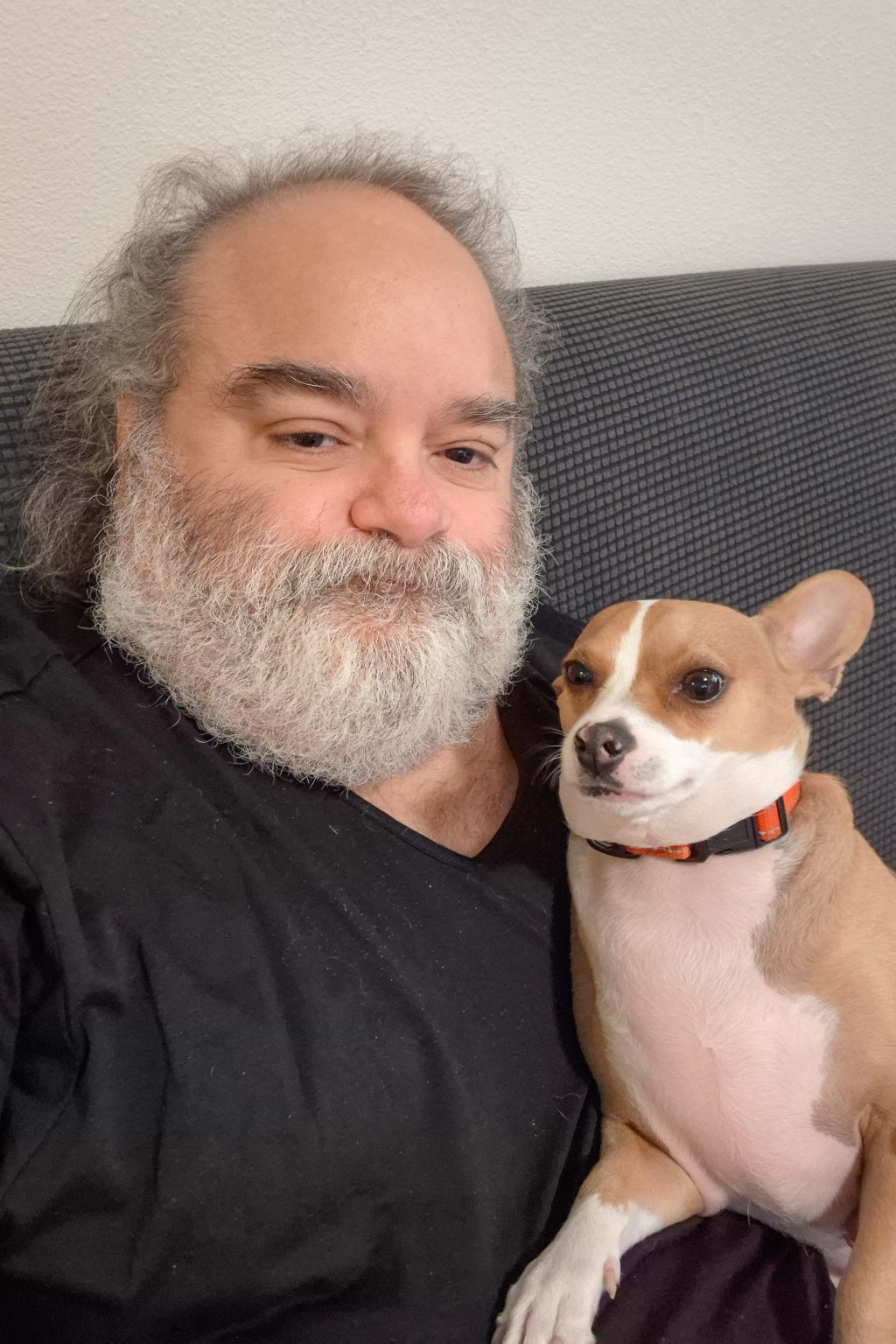
Another life-changing part of this journey came through something unexpected: my dog, Marble.
With help from my case manager, I was approved for an emotional support animal. Marble is a rescue dog, and we found each other at the right moment. Marble depends on me completely, and that responsibility has reshaped how I see my future. If I fail, Marble fails. That thought keeps me grounded, focused, and motivated. Marble is my reason to keep building something stable and lasting.
Now I don’t panic. I don’t believe homelessness is inevitable. I feel safe for the first time in my adult life.
I’m healthier. My vision is improving after critical eye care. I’m in school. I have a home, a future, and a sense of purpose I never expected to regain.
None of this happened overnight and it definitely didn’t happen alone.
Peninsula Healthcare Connection and the New Directions program did far more than help me survive, they gave me time. Time to heal. Time to stabilize. Time to imagine a future without fear. PHC knows, and now I know, that progress isn’t linear and that sometimes the most important thing you can give someone is patience and consistency.
I used to refuse hope, because hope always hurt when things fell apart. For the first time, hope is alive and part of my ongoing life.